Token World Cup-related article.
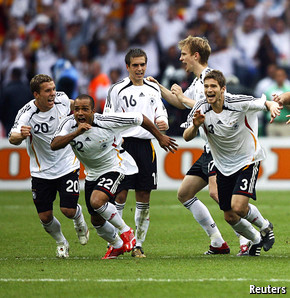
I love the World Cup, and my favorite team playing in Brazil other than the U.S. is England, which, come to think of it, probably isn’t in Brazil anymore since they were eliminated Tuesday. The Brits have trouble in penalty shootouts (a series of penalty shots taken after a tie game to determine the winner), and here’s an interesting article that links nations and their shootout success. The Germans, not surprisingly, are fantastic in shootouts.
How to handle pressure: lessons from penalty shoot-outs – The Economist
Grumpy people are better at their jobs.
I didn’t find this article’s argument, which is based on research, very compelling. But, because I tend to be grumpy and critical, I tried very hard to be convinced. Actually, the headline made me think that the research would suggest that “haters” are better employees because they have better critical skills and question the status quo. But it didn’t say that at all – it said that positive people got involved in more work projects and activities than negative people, which means that positive types weren’t as focused as those who are negative.
Grumpy and negative people are more efficient than happy colleagues – Daily Mail
This article will have you gasping in disbelief. Continue reading →

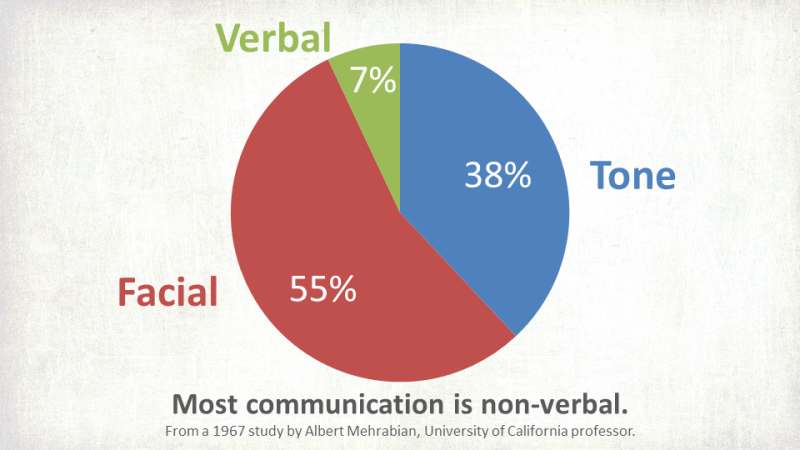









 As a writer, grammar is a subject near and dear to my heart. And my heart breaks every time I log onto Facebook and see the blatant destruction of the English language. This pain intensifies when I see egregious grammar mistakes in professional emails. How we write is a reflection of who we are. But who can remember all those pesky grammar rules we learned in school? For some of us, that was quite a while ago. Never fear – this article contains a grammar cheat sheet with everything from the basics (their, there, and they’re) to the more difficult (lay and lie). There’s also a fun cartoon to illustrate why the Oxford comma is important (and although the author declares herself “team OC,” she fails to use the OC anywhere in her article…tsk tsk).
 No jerks allowed.
 ttention spans get shorter and shorter. We receive news reports from 140-character tweets and 30-second YouTube videos. Anything longer has become so hard to get through! If you want your message to be heard and understood, you have to make it brief and get to the point.
 Look inside Leggett & Platt and you’ll find employees who are committed to protecting and preserving the environment. On May 16, our Corporate Office kicked off participation in the Eco Initiative, joining over 50 other Leggett & Platt branches who have registered for or implemented the program.